|
Can't see this email? {% web_view %}
|
|
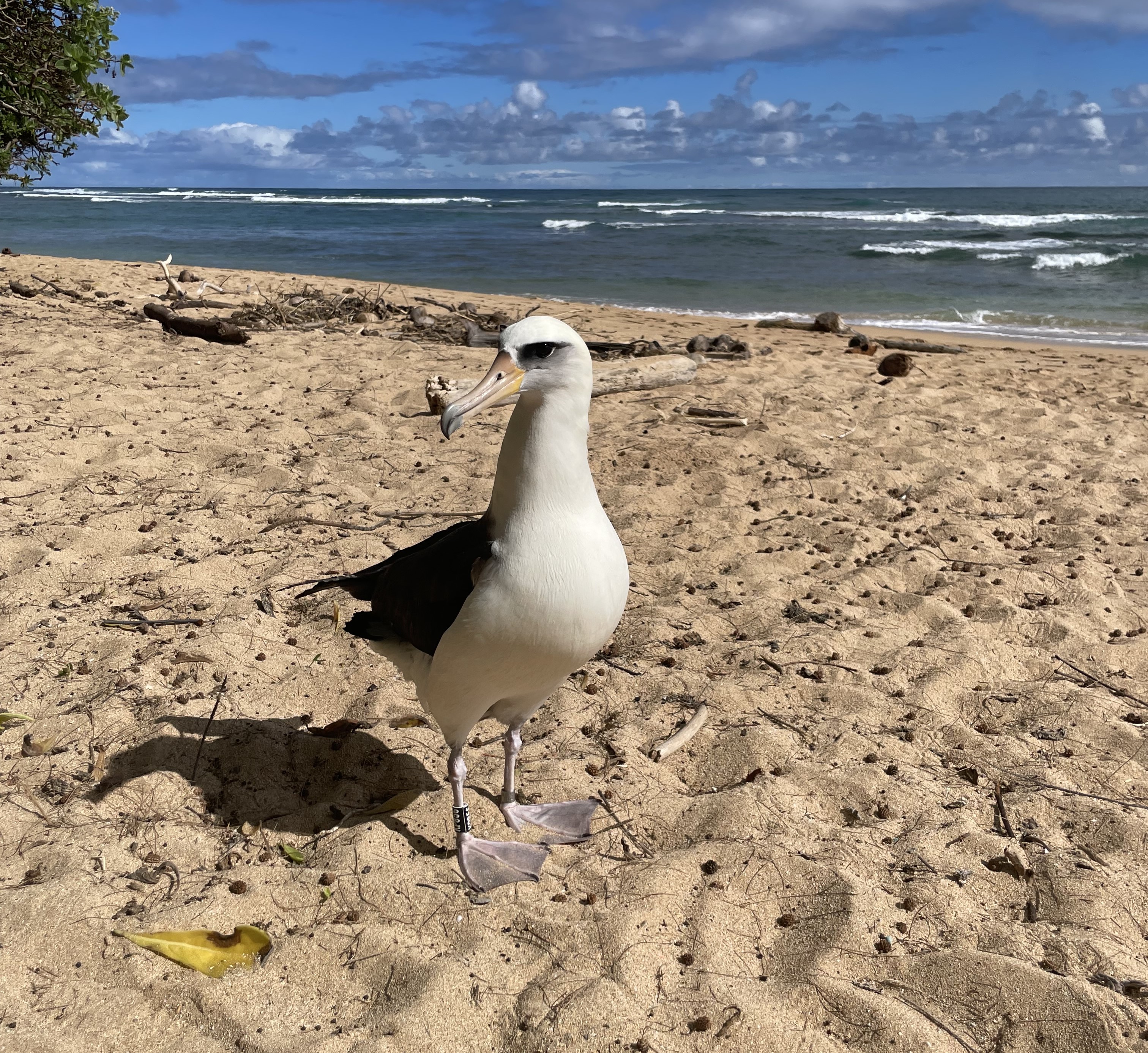
May is Invasive Species Awareness Month. Here at SOS we provide care for native species, but we often see the impacts of invasive species on the birds we accept for care. Animals such as Barn Owls, feral cats, rats, and feral pigs are known to predate native birds and their eggs. In late 2022, SOS admitted a mōlī / Laysan Albatross whose nest had been predated by a pig. It is suspected that the crushed eggs led to the feather contamination that brought this patient to SOS. Invasive plant species also have their impact on native birds. Invasive vegetation can alter habitats, and in the case of Long-thorn Kiawe, we have admitted multiple birds injured by its sharp thorns. |
|
After pooling and waterproofing at SOS, ANP081 was released in January 2023.
|
|
You may know that Hawai'i has been dubbed “the extinction capital of the world,” but do you know why its species are at such high risk? A large part of it has to do with island ecosystems being uniquely vulnerable to invasive species. Because islands tend to be small and isolated, the species found there are often endemic (found only in one specific region), occupy particular ecological niches, and have limited space to go when trying to escape an introduced species. Additionally, many island species evolve without predators, like Hawai'i’s native birds. This means that species are not equipped to defend themselves against introduced predators, have limited space to relocate to, can be unable to adapt due to their specialized habits or diets, and the loss of an island population can equate to the loss of an entire species.
The unique characteristics of island ecosystems make it extra important to look out for our native species! You can learn more about the invasive species on Kaua'i, and more importantly the work being done to combat them, on Kaua'i Invasive Species Committee’s website. |
|
LAR025 enjoying food sprinkled in his/her water. |
|
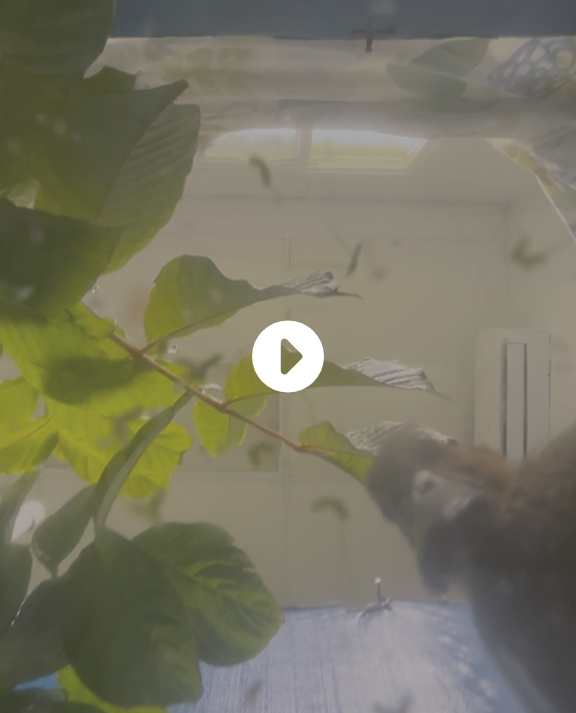
This little koloa maoli / Hawaiian Duck was admitted to SOS on May 1st after it was found alone with no sign of its parents around. Upon intake, s/he was alert and chirping, and is now growing fast! However, it will still be another month or two before she is fully grown and ready for release. We will continue to supply this bird with lots of food as we keep track of her progress in care.
Did you know that koloa are one of Kaua'i’s endangered waterbird species? It is estimated that there are only 673 individuals left, with numbers falling at an alarming rate. Refuge land is crucial for maintaining Kaua'i’s waterbird populations, in addition to rehabilitation at SOS when birds are in need. If you are interested in helping SOS cover costs of care such as fluids, mealworms, fish, or medical supplies for our waterbirds and other patients, consider donating here. |
|
SOS’s focus is always first and foremost on the birds, or as we like to say, “birds come first.” However, when patient numbers are low and birdcare is complete for the day, we get to turn our attention to other projects and goals. One of those is getting to connect with YOU, whether through this newsletter, community events, or the occasional classroom visit. We owe so much of the success of our program to the help and support of the public, and we want to continue building community and share our work. |
|
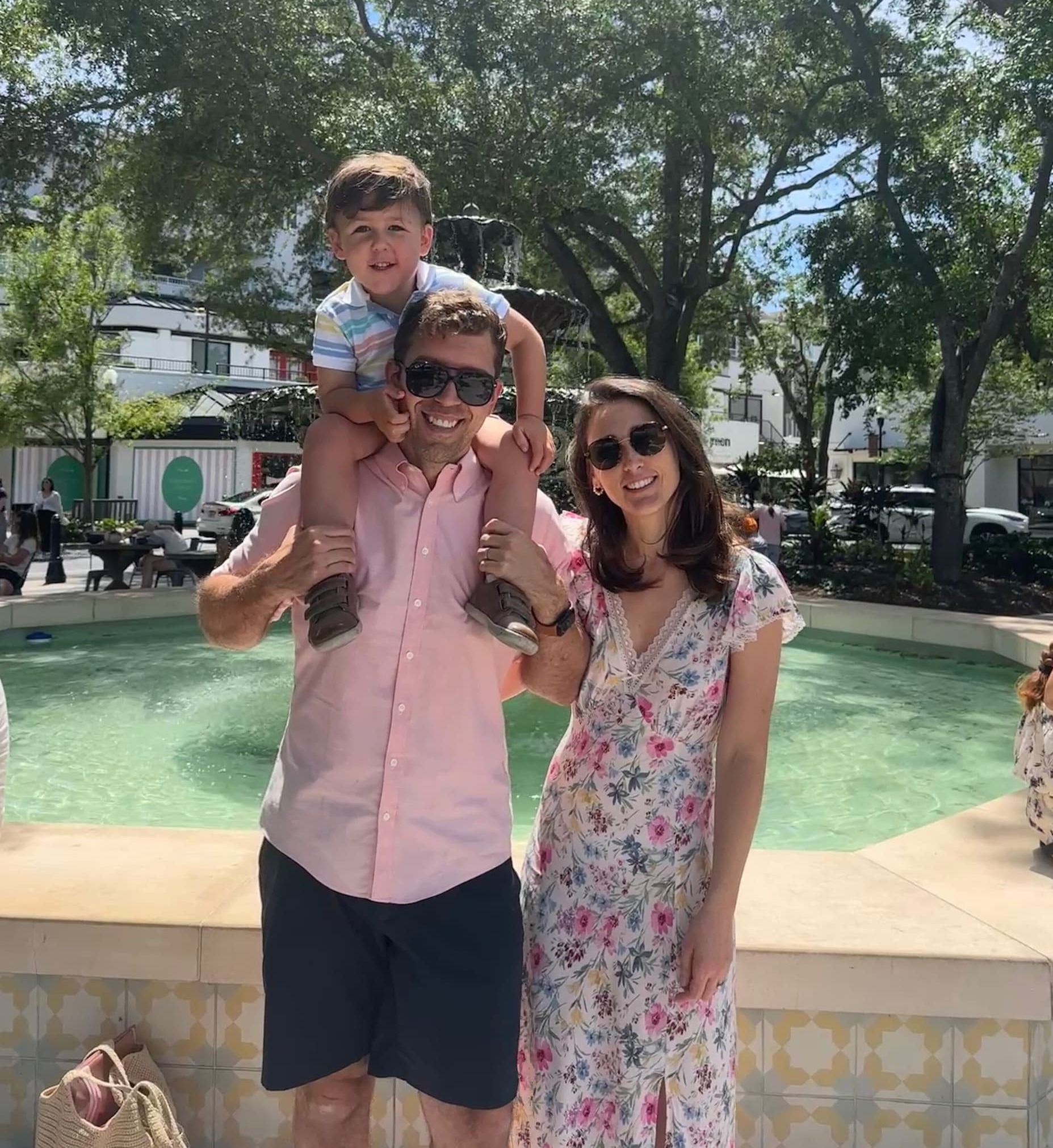
Permission granted from Matt to share his email and the photo of his family above. |
|
This month we received an email from a donor that left everyone on our team teary eyed:
“I’ll try to keep this story short but… My wife and I were honeymooning in Kauai back in September of ‘21. I would walk to the cliffs near our hotel (the Hyatt on the southeast part on the island) every morning to watch the sunrise. On our last day I spotted a seemingly injured juvenile koa’e kea hiding in an overhang. After talking with the hotel staff, I reached out to SOS and Kailey met me to help retrieve the downed bird. She texted me about a week later to let me know that our friend was doing great, had put on some weight, waterproofed his feathers, and would be released the following day. That next day my wife found out that she was pregnant with our first child :) I don’t know why but I think about that koa’e kea every now and then. I know it’s crazy but I feel like it was a sign :) It’s a very silly thought. Anyway, this is my very long winded way of saying that I really appreciate the work you do lol :) And that in a weird, very unexpected way it has left an impression on my life. Thanks, again :)”
Our hope is always that the work we are doing is not only a service to Kaua'i’s native birds, but the community at large. Hearing stories like these and getting to talk story with people across the island help guide our efforts. This month we were able to attend Kapa'a First Saturday and are looking to continue attending markets around the island as we are able. The next event we attend will be Lighthouse Day at Kīlauea Point National Wildlife Refuge on May 31st! Admission will be free, but reservations are still required. If you are interested in meeting some of our team and hearing more about our work, you can keep an eye on our socials to stay up to date on which events we will be attending
|
|
Little Fire Ants
Little Fire Ants are an invasive species of small, stinging ants that have found their way to Kaua'i. While colony numbers are relatively low, we are at a critical point of controlling the species before they spread farther. Check out KISC’s website to learn more about the species and how you can help them by testing your area for LFA. Or visit Stop the Ant for statewide information.
Invasive Species and Kaua'i’s Ground Water
Research has found that protecting watersheds from invasive plants and animals is vital to maintaining Kaua'i’s freshwater sources. Learn more here. |
|
SOS is an Unincorporated Nonprofit Association and fiscally sponsored by the Hawai'i Wildlife Center, a 501(c)(3) tax exempt, non-profit organization.
As the only Federal and State permitted wildlife facility on Kaua‘i, Save Our Shearwaters provides life-saving care to Hawai'i’s native birds in need. When you donate, you help us continue to rescue, rehabilitate, and release native wildlife. Mahalo nui loa from all of us at SOS (our feathered friends included)!
|
|
No longer want to receive these emails? {% unsubscribe 'Unsubscribe' %}
{{ organization.name }} {{ organization.full_address }}
|
|
|
|
|